Get Ahead: The Premier Mens Soccer Boots for Execution and Comfort on the Field
Picking the ideal soccer boots is a vital choice for every player. The perfect pair can enhance ability and satisfaction on the field. Factors like fit, stability, and mass play an important role in a player's agility. Yet, many neglect the details that lead to an effective choice. Understanding these components can transform a player's game. What specific features should one emphasize when selecting the perfect soccer boots? The answer may surprise you.
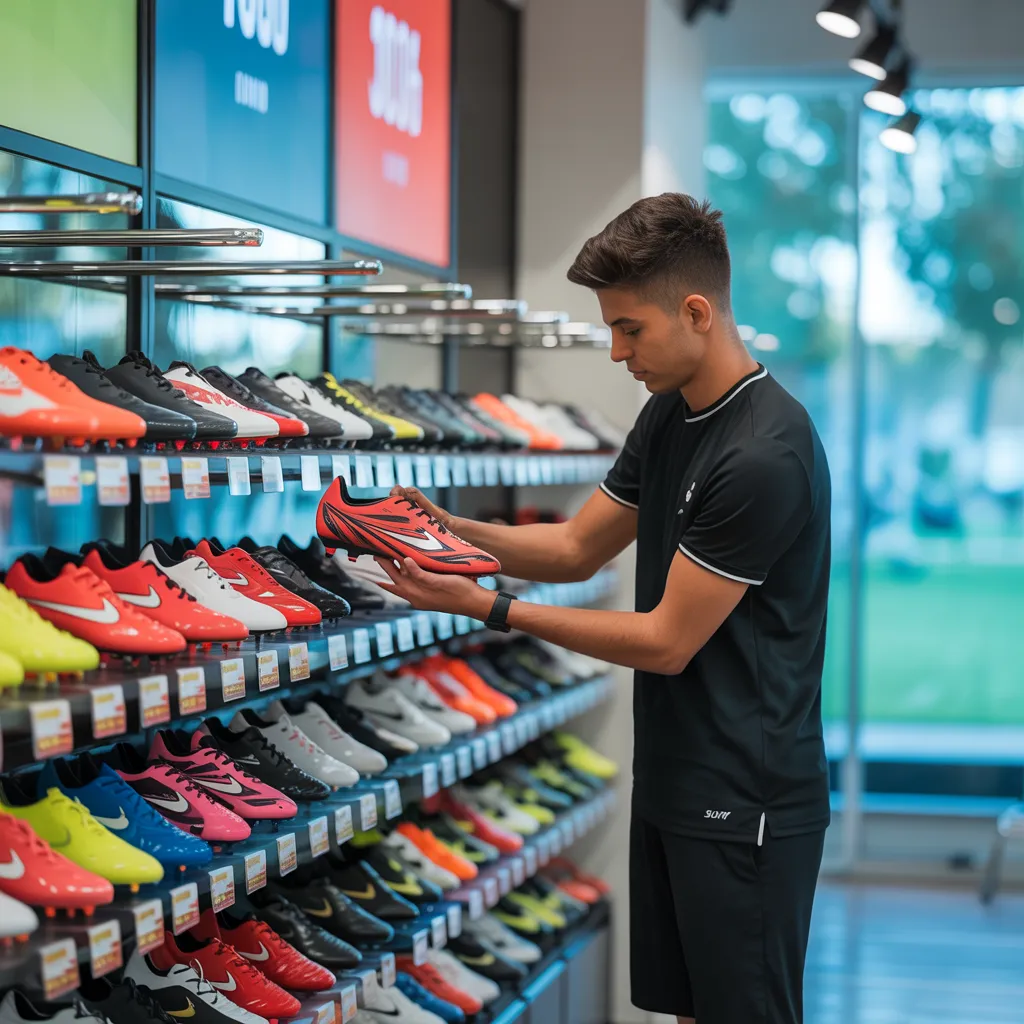
The Significance of Selecting the Best Soccer Boots
Finding the best soccer boots is required for any player, as their performance can greatly affect the game. The correct footwear enhances traction, agility, and overall comfort on the field. Players must consider various factors, including the playing surface—firm ground, soft ground, or artificial turf—as each requires different boot designs.
Furthermore, the sizing and composition of the boots are crucial in a player's play. A well-fitted boot minimizes the risk of injury and allows for better ball control. The choice of boot can also influence a player's self-assurance, enabling them to make faster decisions during play.
Additionally, choosing boots that align with one's technique can enhance performance. For instance, strikers may prefer lighter boots for speed, while defenders might prioritize durability and support. Therefore, taking the time to choose the right soccer boots is vital for improving performance and enjoyment on the field.
Essential Characteristics to Improve Your Soccer Game
When choosing soccer boots, players should value features that markedly influence performance. An perfect fit and comfort level are essential for agility, while traction and grip design boost stability on the field. Furthermore, lightweight materials combined with durability guarantee that players can sustain their best performance during the game.
Optimal Fit And Comfort
A perfect fit combined with top-notch comfort is critical for every soccer player seeking to enhance their game. Soccer boots designed for an ergonomic fit deliver support and cut down on the risk of blisters, helping players to zero in on their performance. Features like padded collars and cushioned insoles enhance comfort, allowing athletes to handle long matches without discomfort. Moreover, lightweight substances support a natural feel, promoting agility and speed. Adjustability, with lacing systems that accommodate various foot shapes, provides a secure fit. Ultimately, investing in boots that value fit and comfort can substantially affect a player’s confidence and effectiveness on the field, allowing them to give their top performance.
Traction And Grip Design includes precision-engineered surface textures that optimize holding power on various surfaces.
Traction and grip design are integral to a player’s performance on the soccer field. The right footwear gives support, enabling athletes to make quick cuts, accelerate, and decelerate effectively. Stud placement and configuration are important; strategically positioned studs boost grip on a variety of surfaces, whether firm ground, artificial turf, or soft ground. Additionally, the shape and length of the studs can considerably influence traction. For example, conical studs enable omnidirectional movement, while bladed studs offer stronger grip during sprints. A expertly crafted outsole allows players to maintain balance and control, minimizing the risk of slipping. Ultimately, focusing on traction and grip design enhances a player’s agility and confidence, directly impacting their overall game performance.
Lightweight Elements And Resilience
Lightweight substances and durability are critical factors that significantly impact a soccer player's performance. Contemporary soccer boots often feature advanced synthetic materials and modern designs, minimizing weight without compromising strength. This lessening in weight lets players attain greater speed and agility on the pitch, enhancing their overall game. Furthermore, durable materials ensure that the boots survive the stresses of continuous play, cutting down the requirement for frequent replacements. Quality stitching and reinforced sections add to the longevity of the footwear, making it a valuable investment for serious athletes. Ultimately, the combination of lightweight design and robust durability equips players with the confidence to perform at their best, no matter the conditions or intensity of the game.
Top 5 Soccer Boots for Peak Performance
In the realm of soccer boots, performance is crucial for any player striving to excel on the field. Key characteristics such as light construction, improved grip, and advanced padding systems can significantly impact a player's game. This guide will examine the top five soccer boots that showcase these vital performance features.
Minimal Weight Construction Benefits
Soccer players seeking to elevate their game often select boots that prioritize a lightweight design, allowing swift footwork and dynamic actions on the field. These boots boost players' speed by lowering the overall weight, allowing for faster speed bursts and sharper turns. A lightweight design also minimizes fatigue, allowing athletes to maintain peak performance throughout the match. Additionally, the use of advanced materials, such as synthetic fabrics and lightweight foams, guarantees durability without sacrificing comfort. This balance of speed and ease is essential, as players can focus on their skills rather than being hindered by heavy footwear. Ultimately, lightweight soccer boots contribute greatly to the overall effectiveness of a player's game, making them a popular choice for athletes at all levels.
Advanced Traction Aspects
While agility and speed are crucial, improved grip technology in soccer boots serve as an equally vital role in a player's ability on the field. These features significantly impact a player's ability to execute precise movements, build speed rapidly, and stay stable on various playing surfaces. Modern soccer boots feature advanced stud configurations, which maximize grip and stability, allowing players to confidently navigate the field. Some designs utilize a mix of cone-shaped and flat studs that adapt to different conditions, ensuring ideal traction whether on grass, turf, or wet fields. Additionally, certain models include specialized outsoles that enhance grip during sudden stops and starts. This focus on traction not only improves individual performance but also supports overall game strategy, making it a vital aspect of soccer boot design.
Excellent Cushioning Technology
Elevating performance on the field, superior cushioning technology in soccer boots provides players with crucial comfort and support. This technology minimizes impact during play, reducing the risk of fatigue and injury. Numerous top brands integrate advanced materials including EVA foam and gel inserts to boost shock absorption and energy return. For instance, boots featuring dynamic cushioning systems allow for a more responsive feel, enabling players to maintain agility and speed. Additionally, the right cushioning can improve stability and promote a natural foot motion, essential for sharp turns and quick sprints. As players seek both performance and comfort, investing in soccer boots with superior cushioning technology becomes critical for ideal on-field success.
Fitting Your Soccer Boots for Optimal Performance?
Achieving the optimal fit for soccer boots is vital for enhancing field performance. A correctly fitted boot elevates comfort, agility, and control, allowing players to execute controlled movements. To find the correct size, players should check both foot length and width, as dimensions can vary among brands. Trying on boots at the end of the day, when feet are a bit swollen, helps replicate game conditions.
Additionally, athletes should put on the same type of socks they intend to wear during matches. A tight fit is crucial; however, it should not constrict blood circulation. Players should also think about the design of the boot—different types cater to various playing positions and types of playing surfaces. Finally, gradually breaking in new boots can help prevent blisters and discomfort. By emphasizing proper fit, participants can enhance their overall play and enjoy a more fulfilling experience on the field.
Simple Ways to Maintain Your Soccer Boots Fresh
Sustaining soccer boots fresh is imperative for sustaining performance standards and prolonging their lifespan. Habitual cleaning is a vital step; team members should expel dirt and mud after each game using a soft brush or cloth. For thorough cleaning, moderately warm water and gentle lather can be put to use, verifying all leftover debris are completely washed away before air drying.
Proper keeping also is quite important. Boots should be stored in a cool, dry place, away from direct sunlight, which can degrade materials. Using shoe trees can help maintain their shape and avoid wrinkles.
Additionally, using a waterproof spray can defend against dampness and boost the boots' longevity. Participants are advised to switch between pairs, allowing each pair to rest and dry fully. Periodic checks for wear and tear can help identify potential issues before they escalate, ensuring the boots keep in top form for peak performance on the pitch.
Frequent Concerns With Soccer Boots and How to Handle Them
Many players encounter typical issues with their soccer boots that might hinder playing ability and ease. One usual problem is blisters, often brought on by poor fit or insufficient cushioning. To resolve this, players should make sure to choose the full information correct size and consider wearing moisture-wicking socks. Another regular concern is lacking traction, which can lead to slipping on the field. Players can correct this by regularly inspecting and replacing worn-out studs or cleats.
Additionally, some may encounter rigidity in new boots, which can influence agility. A simple solution is to wear them in gradually by wearing them during easy practice drills. Finally, poor moisture control can lead to odors and discomfort. Players should clean their boots thoroughly and let them dry out after each use. By tackling these problems, players can optimize their soccer boots for improved comfort and performance during matches.
Popular Inquiries Posed Often
How Often Should I Get New Soccer Boots?
Soccer boots should typically be replaced every 6 to 12 months, depending on how often you use them and their condition. Signs of damage, such as decreased traction or cushioning, indicate the need for a prompt change to maintain performance.
Should I Use Soccer Boots for Other Sports?
Soccer boots may be used for other sports, particularly those played on grass or turf, like rugby or field hockey. However, their design may not offer sufficient support for sports requiring different footwear specifications.
How can you optimally soften up your fresh pair of boots?
The best method to break in new boots requires gradually wearing them, commencing with brief periods. Bending the materials through subtle flexing and using leather conditioner can improve comfort and fit over time.
Do Diverse Competition Surfaces Require Different Boots?
Yes, assorted playing surfaces require unique boots. Rigid ground, soft ground, and engineered grass each showcase specific designs to optimize traction and execution, ensuring players can transition competently to varying conditions and enhance their game.
Should You Think About Spending in Expensive Soccer Boots?
Premium soccer boots often provide superior performance, high-quality materials, and extended wear life, rendering them a worthwhile investment for committed players. Still, individual tastes and techniques should also influence the decision on if to spend.